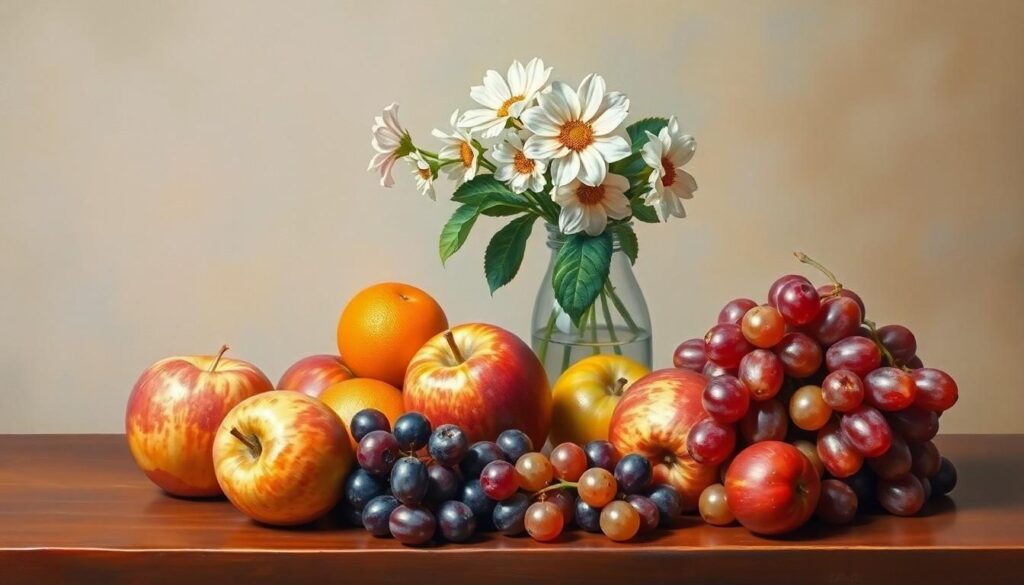
Still life oil painting isn’t just for art critics or those who think a fruit bowl is a masterpiece. It’s a captivating world where ordinary objects transform into extraordinary stories. Picture this: a humble apple, a flickering candle, and a weathered book—all frozen in time, each brushstroke whispering secrets of light and shadow. Who knew a bunch of grapes could be so dramatic?
Overview of Still Life Oil Painting
Still life oil painting presents a unique artistic genre focused on the depiction of inanimate subjects. Artists commonly use various items, such as fruits, flowers, and household objects, to create compositions rich with color and texture. This art form captures the beauty of everyday moments, showcasing how simplicity can become extraordinary.
Light plays a critical role in still life oil painting. It enhances the depth and dimensionality of objects, creating a dynamic interplay between shadow and highlight. Artists master light manipulation to evoke mood and atmosphere, transforming ordinary items into captivating focal points.
Historical roots trace back to the 16th century, when still life gained popularity among Dutch painters. These artists utilized intricate detail and vivid colors, often imbuing their work with symbolic meanings. Common themes included transience and the beauty of impermanence, inviting viewers to consider life’s fleeting nature.
Modern practitioners continue to innovate within this genre. Many contemporary artists explore new materials and techniques, integrating mixed media with traditional oil painting. The genre encourages experimentation, pushing boundaries while maintaining its core principles.
Techniques vary widely among artists. Some use layering to build depth, while others prefer a direct approach with bold brush strokes. This diversity fosters a rich dialogue between artists, challenging conventional interpretations of still life.
Appreciation for still life oil painting expands beyond the art world. Many find inspiration in the visual narratives woven through seemingly simple subjects. Through meticulous observation and representation, artists invite audiences to witness the inherent beauty of everyday life.
History of Still Life Oil Painting
Still life oil painting boasts a rich history intertwined with cultural and artistic significance. The genre invites exploration of its early origins and evolution over time.
Early Origins
Early still life paintings emerged in ancient civilizations, with evidence found in Egyptian tombs. Objects depicted in these artworks often showcased offerings or symbolic items related to the afterlife. During the Renaissance, European artists began to adopt still life as a distinct genre, particularly in the Netherlands. Notably, 16th-century Dutch painters emphasized realism and detail, celebrating everyday objects. Artists like Pieter Claesz and Willem Kalf transformed simple items into visual narratives, reflecting themes of abundance and transience. These early works laid the foundation for a genre that focused on the beauty found in the mundane.
Evolution Over Time
The still life genre evolved significantly from its humble beginnings. In the 17th century, Baroque artists introduced dramatic contrasts of light and shadow, known as chiaroscuro. Some maestros, such as Frans Snyders and Juan Sánchez Cotán, added complexity by incorporating symbolism and moral lessons. By the 18th and 19th centuries, Impressionist artists explored spontaneity and color, shifting the perception of still life. Modern movements brought further experimentation, with artists like Pablo Picasso innovating with cubism. Throughout the centuries, still life painting transformed, reflecting societal changes while continuing to draw audience intrigue.
Techniques in Still Life Oil Painting
Techniques in still life oil painting offer artists various ways to express their creativity and enhance compositions. By mastering these methods, they bring ordinary objects to life.
Color Palette Choices
Color palette choices play a vital role in still life. Artists often select palettes that reflect mood and atmosphere. Warm colors, like reds and oranges, can evoke feelings of coziness or vibrancy. Cool colors, such as blues and greens, create a calming effect. Using a limited palette also allows for harmony and unity in the composition. Selecting complementary colors adds contrast and draws attention to focal points. Observing how light interacts with hues can lead to more dynamic representations. Each choice contributes to the overall impact of the painting.
Brushwork Styles
Brushwork styles significantly influence the texture and feel of still life oil paintings. Different techniques create varied visual effects. For example, smooth brushstrokes convey realism and precision. At the same time, broken brushwork adds a sense of movement and spontaneity. Impasto techniques, involving thick paint application, create three-dimensional depth. Artists often experiment with different brushes to achieve desired effects, such as using filbert or fan brushes. Each stroke adds character and dimension to the objects depicted, enhancing their interplay of light and shadow. These approaches contribute to the overall narrative of the artwork.
Famous Still Life Oil Painters
Still life oil painting boasts a rich history filled with notable artists. This section highlights both historical figures and contemporary artists who have shaped the genre.
Historical Figures
Pieter Claesz emerged as a leading figure in 17th-century Dutch painting. His works often featured everyday objects, showcasing meticulous detail and realism. Willem Kalf became renowned for his lavish still lifes that integrated exotic materials, symbolizing wealth. Another influential artist, Giorgio Morandi, focused on simplicity and the essence of objects, exploring subtle gradations of color and light. These artists transformed still life into a respected genre, imbuing everyday items with greater meaning and depth.
Contemporary Artists
Contemporary artists continue to push the boundaries of still life oil painting. The Dutch painter Jeroen van Pseudon is known for his innovative compositions that blend traditional techniques with modern themes. In addition, Jennifer Pochinski incorporates bold colors and dynamic forms, redefining perceptions of still life. Artist Julie Heffernan creates lush, imaginative tableaux that evoke fantasy and introspection. Many of these artists reshape the genre by exploring personal narratives and contemporary issues, engaging viewers in new dialogues about everyday life.
Still life oil painting invites everyone to see beauty in the ordinary. Through the careful arrangement of everyday objects artists create compelling narratives that resonate with viewers. This genre’s rich history and evolving techniques showcase its timeless appeal and relevance. By exploring light color and texture artists transform simple items into captivating works of art that inspire reflection and appreciation. As the genre continues to evolve contemporary artists breathe new life into still life, encouraging audiences to engage with their surroundings in fresh and meaningful ways.