Visiting the Museum of Modern Art is like stepping into a vibrant world where creativity knows no bounds. It’s a place where a banana taped to a wall can spark debates about the meaning of art and where a splash of paint can evoke deep emotions. But what’s the real scoop on this iconic institution?
Overview of The Museum of Modern Art
The Museum of Modern Art (MoMA) stands as a cornerstone of contemporary culture in New York City. Renowned for its extensive collection, it houses over 200,000 works of art, spanning more than 150 years of innovative creativity. Visitors find paintings, sculptures, photographs, and design pieces that challenge perceptions and inspire conversation.
MoMA emphasizes the importance of modern art in shaping societal views. Through rotating exhibitions, it showcases both established and emerging artists, creating an ever-evolving dialogue about artistic expression. Noteworthy installations, such as Yoko Ono’s “Wish Tree,” exemplify interactivity, inviting public participation.
Education plays a pivotal role at MoMA. The museum offers diverse programs, including guided tours, lectures, and workshops. These initiatives aim to deepen understanding of modern and contemporary art, appealing to art aficionados and casual visitors alike.
Accessibility remains central to MoMA’s mission. Facilities cater to a broad audience, ensuring that everyone can engage with art. Special events, including free admission days, further enhance community involvement and access.
Technology integration also shapes the visitor experience. Digital tools and apps provide information and context, enriching the exploration of artworks. MoMA continually adapts to current trends, ensuring relevance in the fast-changing cultural landscape.
Critiques highlight MoMA’s commitment to presenting provocative art. Feedback often praises its ability to foster discomfort alongside appreciation, providing a platform for important societal reflections. Insightful reviews underscore its role in the art community, reaffirming the museum’s status as a vital cultural institution.
History and Significance
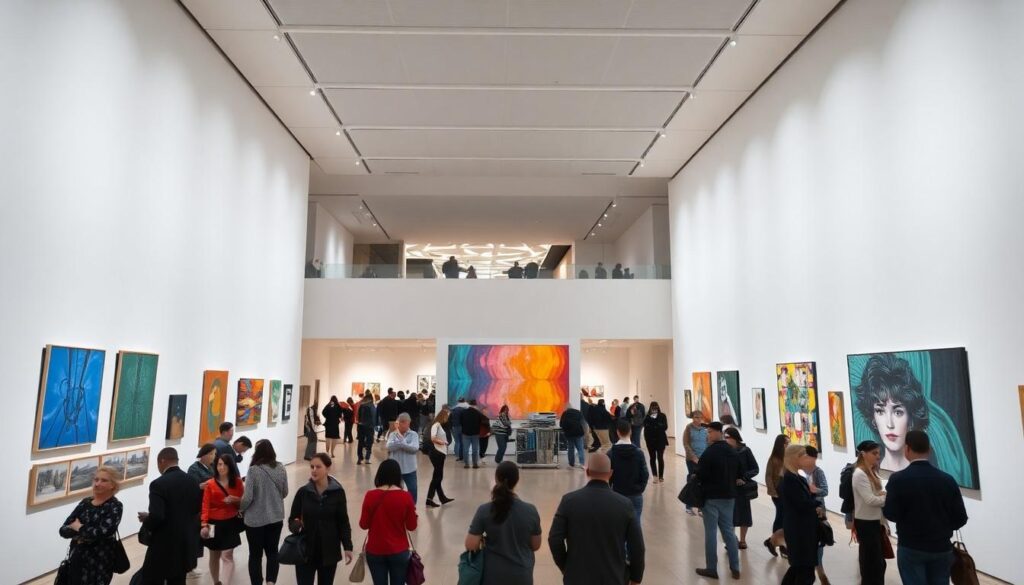
The Museum of Modern Art, established in 1929, has significantly shaped the landscape of contemporary art and culture. This innovative institution emerged from a vision to create a central hub for modern art that transcends traditional boundaries.
Founding and Development
Founded by visionaries including Abby Aldrich Rockefeller, MoMA aimed to promote modern art in a rapidly changing world. Initially, the museum opened its doors with merely 8,000 works, showcasing art from various movements, including Impressionism and Cubism. By 1937, it expanded with the introduction of new architectural designs that reflected the forward-thinking ethos of modernism. Growth continued, as the museum added new galleries over the decades, adopting various styles while maintaining its dedication to modernity.
Key Milestones
MoMA reached crucial milestones, including the launch of iconic exhibitions and programs. The 1936 exhibition “Cubism and Abstract Art” showcased groundbreaking work and solidified MoMA’s role in promoting experimental art. Other significant events included the introduction of educational initiatives during the 1960s, which expanded access to art appreciation for diverse audiences. In 2004, a major renovation increased gallery space and updated facilities, enhancing visitor engagement with art. Each milestone redefined the museum’s commitment to reflecting contemporary artistic trends and fostering public dialogue in a global context.
Exhibits and Collections
MoMA presents an impressive array of exhibits and collections that reflect the evolution of modern and contemporary art. The museum’s commitment to educating and engaging the public manifests in its diverse offerings.
Notable Artworks
MoMA houses iconic pieces like Vincent van Gogh’s “The Starry Night” and Pablo Picasso’s “Les Demoiselles d’Avignon.” It features masterpieces from renowned artists such as Jackson Pollock and Andy Warhol. Significant works by Frida Kahlo and Salvador Dalí also play a crucial role in highlighting artistic innovation. These notable artworks not only draw visitors but also invite dialogue about their profound cultural impact. Each piece contributes to the overarching narrative of modern art, encouraging exploration and reflection.
Rotating Exhibitions
Rotating exhibitions at MoMA showcase emerging talent and contemporary themes, offering fresh perspectives. Each exhibition frequently shifts to include works from both established and lesser-known artists, ensuring a dynamic experience. For instance, the museum has recently highlighted the contributions of women artists and addressed critical global issues through art. Visitors can expect to see thematic exhibitions that challenge traditional norms and provoke thought. These exhibits often garner attention for their innovative approaches and ability to engage the public in meaningful conversations.
Visitor Experience
Visitors enjoy a comprehensive experience at the Museum of Modern Art, with various offerings designed to engage and educate.
Admission and Tickets
Admission fees vary, with discounts available for students and seniors. General admission is typically priced at $25, while free admission days attract substantial crowds. Online ticket purchases simplify entry and reduce wait times, enhancing the overall visitor experience. Additionally, children under 16 can enter for free, making MoMA accessible to families. Special exhibitions may carry separate fees, so it’s wise to check beforehand for any updates.
Amenities and Accessibility
Amenities at MoMA include spacious galleries, a café, and museum shops stocked with art-related merchandise. Restrooms are strategically located throughout the museum, ensuring convenience. For accessibility, MoMA prioritizes inclusivity with wheelchair rentals and disability-friendly services. Guided tours cater to various needs, offering audio guides and large print materials. Moreover, tactile experiences and sensory-friendly days enhance accessibility for those with sensory sensitivities. This commitment to accessibility ensures everyone can enjoy the artistic offerings at MoMA.
Critical Reception
MoMA’s artistic contributions and innovative exhibits attract a range of critical feedback. Reviewers frequently emphasize its bold approach to modern art, often noting the impactful installations that provoke thoughtful discussions.
Professional Reviews
Critics commend MoMA for its diverse curation, highlighting how it challenges visitors’ perceptions of art. The museum receives praise for artworks that provoke discomfort and admiration in equal measure. Renowned art publications routinely acknowledge its commitment to showcasing both celebrated and emerging artists. Art critics consistently cite specific exhibitions that resonate with contemporary themes, enhancing viewers’ understanding of societal issues. Major publications emphasize the significance of interactive exhibits like Yoko Ono’s “Wish Tree,” illustrating MoMA’s dedication to engaging visitors in unexpected ways.
Visitor Testimonials
Visitors often express their awe regarding the sheer variety of artworks displayed. Many artists and art lovers share experiences becoming emotionally connected with pieces like “The Starry Night.” Families appreciate the accessible features throughout the museum, including special events designed for children. Feedback highlights the museum’s role as a community hub, fostering dialogue through unique programming. Engaging with both historical and contemporary art creates lasting impressions, encouraging repeated visits. Overall, testimonials reflect a deep appreciation for MoMA’s efforts to welcome all into the vibrant world of modern art.
The Museum of Modern Art stands as a beacon of creativity and cultural dialogue. Its commitment to showcasing both renowned and emerging artists ensures a vibrant and ever-evolving experience for visitors. Through innovative exhibitions and educational programs, MoMA invites everyone to engage with art on a personal level. The museum’s focus on accessibility and inclusivity further enhances its role as a community hub. Whether through iconic masterpieces or thought-provoking installations, MoMA continues to challenge perceptions and inspire conversations about contemporary art. With each visit, individuals uncover new layers of meaning and connection, reinforcing the museum’s significance in the modern cultural landscape.