Masking tape painting is like the secret sauce of DIY projects—it makes everything look effortlessly chic while saving you from the chaos of paint spills. Imagine transforming a bland wall into a masterpiece with just a roll of tape and a splash of creativity. It’s not just about aesthetics; it’s about unleashing your inner artist without the mess.
Overview of Masking Tape Painting
Masking tape painting involves strategically applying tape to surfaces before painting. This technique ensures clean lines and edges, which enhances the overall aesthetics of a room. Painters benefit from the precision that masking tape provides, allowing for distinct separation between different colors or design elements.
With masking tape, individuals can easily create geometric patterns, stripes, or even more intricate designs. The tape acts as a barrier, preventing unwanted paint from seeping underneath. This capability is especially useful when working on textured surfaces where paint can otherwise bleed through.
When choosing masking tape, options vary in size, adhesive strength, and material. Painters often select low-tack tape for delicate surfaces, while those working with rough materials may opt for something sturdier. The right choice depends on the project’s specific requirements.
Applying masking tape requires attention to detail. First, surfaces should be cleaned, ensuring adhesion improves. Next, the tape should be placed precisely along the desired outline, pressing down firmly to avoid paint seepage during application. For best results, removing the tape while the paint is still wet can prevent peeling.
Masking tape painting simplifies complex paint jobs. It empowers DIY enthusiasts to explore creativity without sacrificing aesthetics. Ultimately, this process not only enhances the visual appeal of a space but also boosts the confidence of the painter, making every project a rewarding experience.
Benefits of Masking Tape Painting
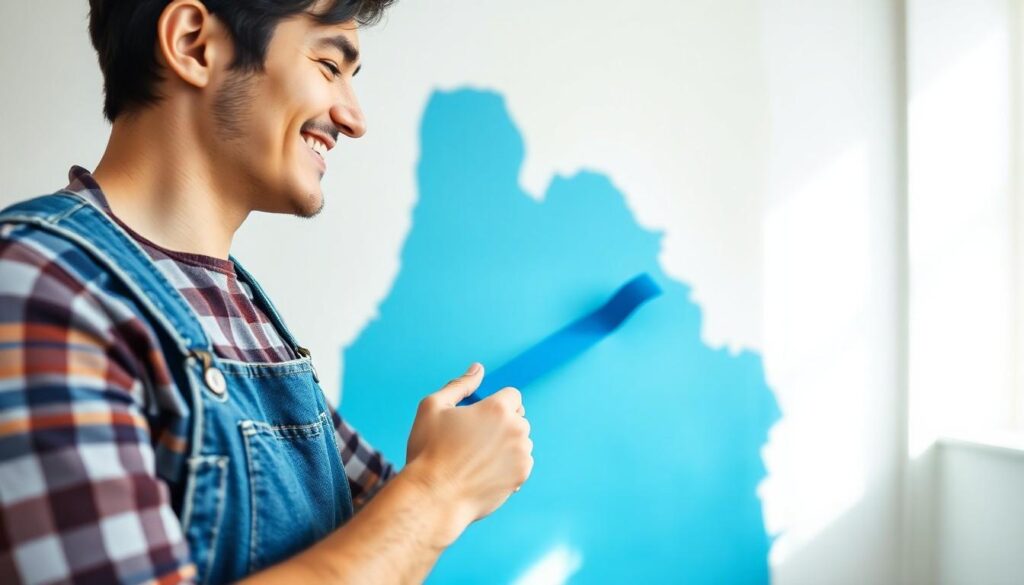
Masking tape painting offers numerous advantages for DIY painting projects. It promotes precision and enhances the overall quality of a paint job.
Clean Edges and Lines
Clean edges and lines stand out as a primary benefit of using masking tape. The tape creates a barrier that prevents paint from bleeding over unwanted areas. This ensures crisp separation between colors, resulting in professional-looking finishes. Applying masking tape correctly allows for intricate designs and geometric patterns without compromising quality. The ability to achieve well-defined edges boosts the aesthetic appeal of any painted surface.
Time Efficiency
Time efficiency plays a significant role in the appeal of masking tape painting. Masking tape reduces the need for touch-ups, saving both time and effort. Fewer mistakes lead to quicker completion of projects. Applying tape speeds up the painting process by enabling painters to focus on coverage rather than accuracy. The proper use of masking tape streamlines workflows, allowing DIY enthusiasts to enjoy their projects more while minimizing frustration.
Types of Masking Tapes for Painting
Understanding the various types of masking tapes can help individuals choose the most suitable option for their painting projects. Each type offers unique properties that enhance the overall painting experience.
Paper Tapes
Paper tapes are popular among painters for their versatility and affordability. This type features a thin, flexible design, which allows it to adhere easily to a variety of surfaces. Often, painters prefer paper tapes for interior projects because they provide clean lines and edges. These tapes typically come in various widths, enabling customization based on specific needs. Notably, low-tack varieties prevent damage to the surfaces they cover, making removal easy without tearing.
Plastic Tapes
Plastic tapes offer durability and moisture resistance, making them ideal for outdoor painting tasks. This type presents a stronger adhesive, ensuring it stays in place under challenging conditions. Users often choose plastic tapes for delicate surfaces, as they minimize bleed through paint. These tapes frequently come in larger rolls, catering to bigger projects that require extended coverage. Additionally, some plastic tapes feature features like UV resistance, ensuring longevity and performance in direct sunlight.
Best Practices for Masking Tape Painting
Preparation and application techniques play crucial roles in achieving optimal results with masking tape painting.
Surface Preparation
Clean surfaces thoroughly to enhance tape adhesion. Dust, grease, and moisture can prevent a tight seal. For best results, use a mild detergent and water solution on walls. Allow surfaces to dry completely before applying tape. Inspect surfaces for imperfections that might affect the paint job. Smooth out any bumps or cracks, ensuring a flat surface promotes even coverage. Consider using a primer if dealing with porous materials. Primers can improve adhesion and enhance the overall finish. Selecting the right masking tape for the project’s specific surface type also matters; for example, choose low-tack tape for delicate surfaces to prevent damage.
Application Techniques
Begin by applying masking tape in straight, even strips. Firmly press down the edges of the tape to prevent paint from bleeding. For intricate designs, utilize smaller pieces of tape, adjusting angles as needed to follow curves or shapes. Ensure that tape is applied slightly beyond the intended paint area for an extra buffer. When painting, use a brush or roller to apply paint carefully, optimizing coverage without overloading the edges. It’s advisable to remove the tape while the paint remains wet; this practice helps create clean lines. Consider pulling the tape back at a 45-degree angle to reduce the risk of tearing the paint film.
Common Mistakes to Avoid
Avoiding common mistakes in masking tape painting ensures better outcomes. Choosing the wrong type of tape can compromise results. For example, using low-tack tape on rough surfaces might lead to paint bleed, defeating the purpose of clean lines.
Inadequate surface preparation often results in poor tape adhesion. Cleaning surfaces meticulously enhances the tape’s ability to stick. Inspecting for imperfections guarantees a smooth application, so imperfections won’t mar the final look.
Applying tape incorrectly can lead to uneven lines. Strips of tape should be applied straight, ensuring firmer adhesion along the edges. Pressing down firmly prevents paint from seeping underneath.
Neglecting to remove tape while the paint is still wet can create jagged lines and pull off dried paint. Pulling the tape back at a 45-degree angle assists in maintaining clean edges.
For intricate designs, using larger pieces of tape instead of smaller strips poses a significant risk. Smaller pieces allow for better control and precision during application. Additionally, extending the tape slightly beyond intended paint areas supports accuracy.
Underestimating the drying time leads to rushed removal. Each paint layer has specific drying requirements. Waiting until the paint dries entirely prevents smudging and extends the overall finish quality.
Disregarding manufacturer guidelines on adhesive strength also impacts results. Each type of tape has specific recommendations for applications; following these can enhance performance. Prioritizing these details in masking tape painting contributes significantly to achieving professional-looking finishes.
Masking tape painting opens up a world of creative possibilities for DIY enthusiasts. With its ability to create sharp lines and intricate designs, it elevates any painting project. By choosing the right type of tape and following best practices, individuals can achieve stunning results that look professionally done.
The time saved from reduced touch-ups and the confidence gained from mastering this technique make masking tape an essential tool in any painter’s arsenal. Embracing this method not only enhances the aesthetic appeal of a space but also fosters a sense of accomplishment. Whether tackling a simple room refresh or a complex artistic endeavor, masking tape painting is a game changer.