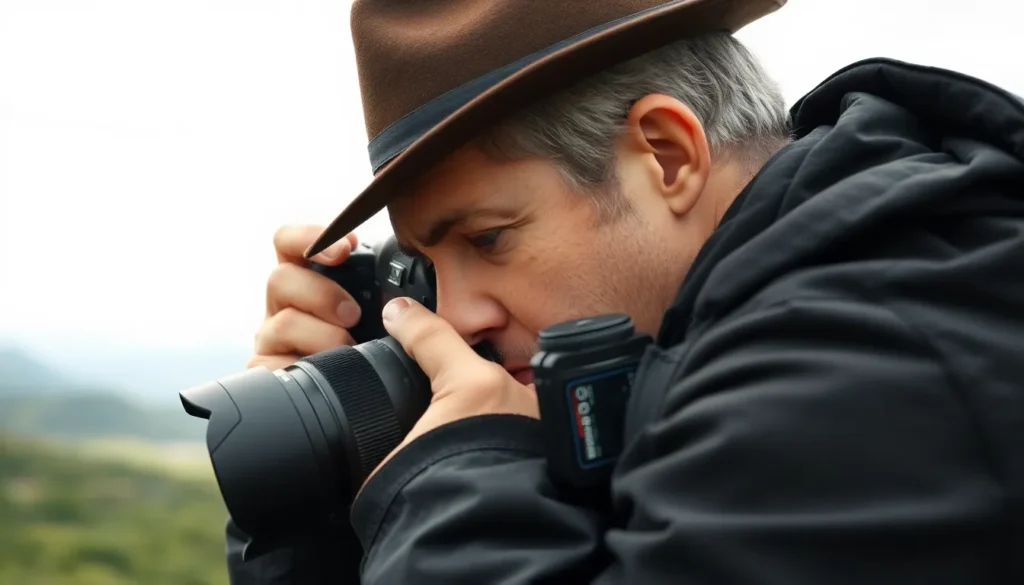
In a world where everyone’s a photographer thanks to smartphones, standing out requires more than just a good angle. The right photography equipment can elevate a snapshot into a masterpiece and transform a casual hobby into a professional pursuit. Whether it’s a dazzling DSLR or a lens that makes your subjects look like they just stepped off a magazine cover, the gear you choose plays a crucial role in your creative journey.
Overview of Photography Equipment
Photography equipment plays a crucial role in capturing stunning images. Cameras, whether DSLRs, mirrorless, or compact models, serve as the foundation for any photographer’s toolkit. A high-quality camera provides superior image quality and better low-light performance, essential for various shooting conditions.
Lenses contribute significantly to the versatility of photography. Different types, such as prime, zoom, and macro lenses, offer unique perspectives and capabilities. Prime lenses deliver sharper images, while zoom lenses enhance flexibility, allowing for a range of focal lengths. Macro lenses excel in close-up photography, revealing intricate details in subjects.
Tripods stabilize the camera, ensuring sharp images, especially in low-light environments. They provide necessary support during long exposures, helping eliminate blurriness caused by shaky hands. Filters, such as polarizers and ND filters, enhance image quality by reducing glare, improving colors, or managing exposure levels.
Lighting accessories also improve photography outcome. Speedlights and softboxes allow for better control of illumination, which is crucial for portraits and product photography. Using the right lighting can create mood and depth, transforming ordinary shots into remarkable visuals.
Finally, editing software enhances photos in post-production. Programs like Adobe Lightroom and Photoshop enable adjustments in color, exposure, and contrast. Retouching images ensures the final product meets professional standards.
Investing in quality photography equipment leads to improved results, allowing photographers to express their creativity effectively.
Types of Photography Equipment
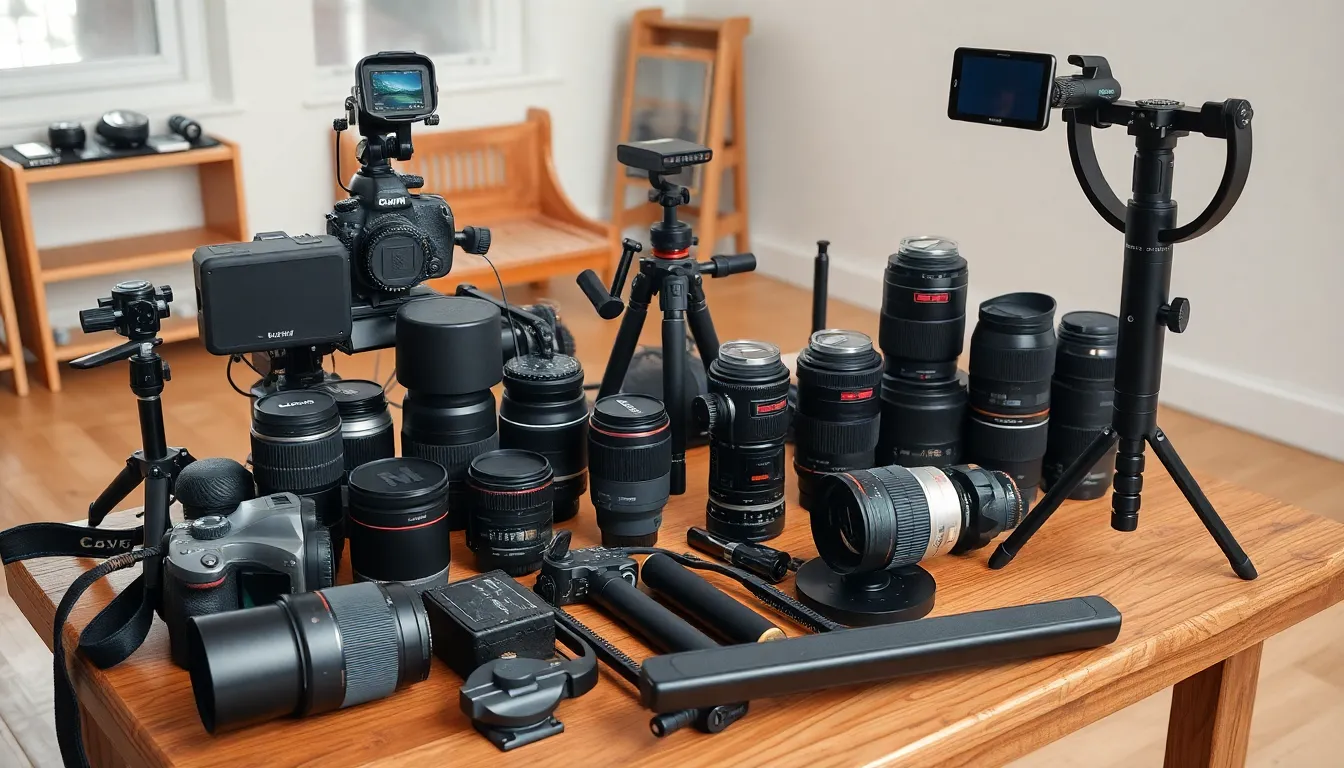
Photography equipment plays a crucial role in capturing remarkable images. Various types of equipment cater to different needs and preferences of photographers.
Cameras
Cameras serve as the core of any photographer’s setup. DSLR models provide versatility and superior image quality, while mirrorless options offer a lightweight design without sacrificing performance. Compact cameras cater to casual users who prioritize portability and ease of use. Each type delivers unique advantages suited for specific photography styles, whether capturing landscapes or portraits.
Lenses
Lenses significantly influence composition and creativity. Prime lenses excel in delivering sharp images with wide apertures, making them ideal for low-light scenarios. Zoom lenses offer the flexibility to shoot at varying focal lengths, suitable for events and wildlife photography. Macro lenses focus closely on subjects, revealing intricate details, perfect for capturing small items like flowers or insects. Selecting the right lens enhances the overall image quality and artistic expression.
Tripods and Stabilizers
Tripods and stabilizers enhance stability during photography sessions. Tripods provide support, minimizing camera shake, especially in low-light conditions. Gimbal stabilizers offer fluid motion for capturing video and dynamic shots, ensuring smooth results. Both tools assist photographers in achieving clear, professional-looking images, particularly in challenging environments like heavy foliage or bustling city streets. Investing in these accessories ensures that capturing the perfect shot becomes more manageable.
Essential Accessories for Photographers
Various accessories enhance the photography experience. Each item plays a crucial role in achieving professional results.
Lighting Gear
Lighting gear significantly influences image quality. Speedlights provide portable lighting solutions for on-location shoots. Softboxes diffuse light, creating a more flattering effect. Continuous lights offer consistent illumination, ideal for video recording. Reflectors bounce light to fill shadows, adding depth and dimension to portraits. Photographers often choose light stands to support these tools with stability. The appropriate lighting gear enhances mood and clarity in images.
Bags and Cases
Bags and cases protect equipment during transport. A sturdy camera bag offers padding to safeguard cameras and lenses from damage. Backpacks distribute weight evenly, allowing for longer carry during shoots. Lens pouches provide easy access while keeping lenses secure. In addition, waterproof cases ensure protection against the elements. Organized storage facilitates quick access to gear, streamlining the shooting process. Selecting the right bag enhances convenience and confidence while working.
Memory Cards
Memory cards store captured images securely. High-capacity options cater to photographers who shoot in RAW format, ensuring ample space for large files. Fast read and write speeds are essential for efficient file transfers and continuous shooting. Reliability ranks high; trusted brands minimize the risk of data loss. Multiple cards enable backup during lengthy sessions, promoting data security. Choosing quality memory cards contributes to a smoother workflow and peace of mind.
Maintenance and Care of Photography Equipment
Proper maintenance and care of photography equipment ensures longevity and optimal performance. Regularly cleaning lenses removes dust and smudges, which improves image clarity. Use a microfiber cloth and lens cleaning solution for best results.
Cameras also require consistent upkeep. Inspect bodies for dirt and moisture, especially when shooting in challenging conditions. Keeping the camera sensor clean enhances image quality. Sensor cleaning kits are available for DIY maintenance or a professional service can handle it.
Lenses benefit from a dedicated storage environment. Store them in protective cases to prevent scratches. Avoid exposing equipment to extreme temperatures, as this can damage electronic components.
Tripods need attention, too. Check for stability and functionality before use. Lubricate moving parts regularly to keep them operational.
Battery care plays a vital role in equipment upkeep. Charge batteries fully before a shoot and avoid deep discharging. Store batteries in a cool, dry place to extend their lifespan.
Memory cards require organization and management. Format cards in the camera before each use to prevent data corruption. Backup images regularly to ensure safety and reliability.
Utilizing protective gear also prevents damage during transportation. Padded camera bags shield equipment from impacts while waterproof cases provide environmental protection.
Monitoring equipment for wear and tear helps detect issues early. Addressing minor problems quickly can prevent costly repairs later. Regular inspections and maintenance create peace of mind and maintain high performance.
Investing in quality photography equipment is crucial for anyone looking to elevate their craft. The right gear not only enhances image quality but also fosters creativity and versatility in capturing stunning visuals. Proper maintenance and care of this equipment ensure longevity and optimal performance, allowing photographers to focus on their artistry.
With a solid understanding of the various types of cameras, lenses, and essential accessories, photographers can make informed choices that suit their needs. By prioritizing both quality and care, they can achieve professional results and fully express their creative vision.