Imagine walking into a room bathed in warm golden light, where every wall radiates positivity and joy. That’s the magic of sunshine painting. It’s not just a trend; it’s a mood-lifting experience that transforms dull spaces into vibrant havens. Whether it’s a cheerful yellow or a soft pastel, sunshine painting can brighten up any corner of your home, making it feel like a perpetual summer day.
But wait—before you grab that paintbrush and channel your inner Picasso, there’s more to it than just slapping on a sunny hue. From choosing the right shades to mastering the techniques that bring out the best in your space, sunshine painting is both an art and a science. Get ready to dive into a world where color meets creativity, and discover how to make your home shine brighter than your neighbor’s questionable garden gnome collection.
Overview Of Sunshine Painting
Sunshine painting creates vibrant spaces filled with warmth and positivity. It blends colors thoughtfully selected to enhance both mood and ambiance. Techniques matter in this art, with precise brush strokes and layering effects adding depth. Bright shades like yellows, oranges, and soft pastels typically dominate the palette, aiming to mimic natural sunlight.
This method emphasizes light and encourages a cheerful atmosphere. Living rooms, kitchens, and bedrooms benefit most from this palette choice. Practical applications extend to both indoor and outdoor environments, making it versatile for various settings. Homeowners prefer sunshine painting for its ability to transform dull areas into inviting spaces.
The psychological effects of color also play a crucial role. Lighter shades evoke feelings of happiness and energy, while darker tones may bring heaviness. Effective use of colors creates harmony and a sense of balance in any room. Additionally, accent walls can feature this technique to create focal points in spaces.
Many homeowners express satisfaction after adopting sunshine painting. Results often lead to an immediate uplift in mood and environment. It’s essential to experiment with different shades, as personal taste varies significantly. Knowledge of complementary colors helps in achieving the desired overall look.
Ultimately, sunshine painting combines artistry with practical application. It offers endless possibilities for customizing living spaces, ensuring each home feels unique and welcoming. The careful execution of this painting style contributes to a lasting, positive impact on daily life.
Techniques Used In Sunshine Painting
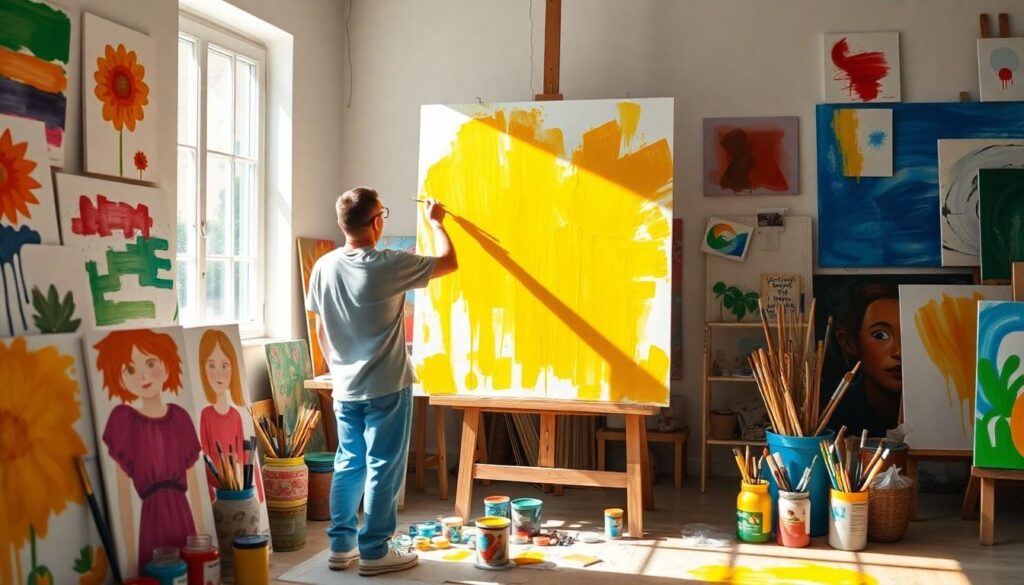
Sunshine painting incorporates specific techniques that enhance the sunny and vibrant effect of the final result. Color selection and brush strokes play significant roles in achieving the desired ambiance.
Color Selection
Selecting the right colors remains crucial for sunshine painting. Bright yellows, cheerful oranges, and soft pastels mimic the warmth of natural sunlight. These shades uplift spaces, inviting energy and positivity. Choosing lighter colors creates an airy feel, enhancing openness in areas like kitchens and living rooms. Homeowners often mix various shades to achieve depth, using complementary colors to ensure harmonization. Experimenting with color combinations can yield personalized results, allowing for unique expressions in each home.
Brush Strokes
Employing precise brush strokes significantly impacts the final look in sunshine painting. Different techniques, like crosshatching or feathering, create depth and texture. These strokes craft layers that enhance vibrancy while softening edges for a polished finish. Using various brush sizes allows artists to play with detail and fluidity, enriching the visual experience. Consistent application ensures an even coat that captures light beautifully, elevating the cheerful atmosphere. Mastering these brush techniques enables a seamless integration of color, resulting in a dynamic and inviting space.
Benefits Of Sunshine Painting
Sunshine painting offers a range of benefits that enhance both spaces and emotional experiences. Transforming interiors and exteriors can uplift moods and foster positivity.
Emotional Well-being
Color significantly influences emotional states. Bright shades like yellow and orange evoke happiness, while softer pastels create calmness. Homeowners often report feeling more energized and optimistic after implementing sunshine painting. Engaging with these colors can alleviate feelings of stress and anxiety. Enhanced lighting in spaces promotes a more inviting atmosphere, encouraging social interactions and connections among family and friends. A cheerful palette brightens not only rooms but also daily outlooks, leading to improved mental health.
Creative Expression
Embracing sunshine painting allows for unique artistic expression. Individuals can experiment with color combinations to reflect personal styles and tastes. Mixing various shades promotes individuality, giving each space a distinctive character. Techniques like blending and layering add depth, enabling homeowners to showcase creativity. Creating focal points through accent walls makes a strong visual impact and invites admiration. This approach transforms standard walls into vibrant canvases, showcasing tailored aesthetics that resonate with residents and visitors alike.
Notable Sunshine Painting Artists
Prominent artists have embraced sunshine painting, transforming spaces with their unique visions. Claude Monet exemplifies the technique through his use of color to capture light. He often portrayed vibrant outdoor scenes, using yellows and soft pastels to evoke warmth.
Henri Matisse stands out for his innovative approach to color combinations. His works frequently feature bold, cheerful hues that create energetic atmospheres. Matisse’s ability to infuse joy into everyday life through art aligns perfectly with the essence of sunshine painting.
Another key figure is Vincent van Gogh, known for his emotive use of color and brush strokes. His iconic paintings, such as “Sunflowers,” highlight bright yellows that radiate positivity. Van Gogh’s techniques inspire many modern artists aiming to replicate the uplifting effects of sunshine painting.
Georgia O’Keeffe’s distinctive style also captures the spirit of sunshine painting. Her floral compositions, characterized by vibrant colors, evoke a sense of tranquility and optimism. O’Keeffe’s work encourages viewers to appreciate natural beauty, embodying the uplifting essence of this artistic style.
In contemporary art, Yayoi Kusama seamlessly integrates sunshine painting concepts into her installations. Her use of bright colors and patterns fosters a joyful, immersive experience. Kusama’s vibrant art connects people to the energy of color, consistently reinforcing the positivity associated with sunshine painting.
Artists like these not only demonstrate the technical aspects of sunshine painting but also highlight its ability to uplift and inspire through color. Their contributions continue to influence artists today, encouraging the use of vibrant palettes to create cheerful and inviting spaces.
Sunshine painting offers a unique way to enhance any space with warmth and vibrancy. By carefully choosing bright shades and employing specific techniques, homeowners can create inviting environments that uplift spirits and foster positivity. This artistic approach not only transforms walls but also contributes to overall emotional well-being. Engaging with colors like yellow and orange can energize spaces while softer pastels promote tranquility. As demonstrated by renowned artists, sunshine painting serves as a powerful tool for personal expression and creating cheerful atmospheres. Embracing this technique can lead to a home that feels both unique and welcoming, making every day brighter.